


Alcoholic Nose: Causes, Symptoms, and Treatment Options
- mehdi.zarghampour
- Sober living

Dehydration reduces skin elasticity and makes it more fragile, increasing the likelihood of capillary damage. Furthermore, alcohol interferes with the absorption and utilization of essential nutrients, such as vitamin C and zinc, which are crucial for maintaining healthy blood vessels and skin. This nutritional deficiency compounds the problem, accelerating the deterioration of capillary health and worsening the redness and swelling. In summary, the bulbous nose often observed in alcoholics is a visible consequence of collagen breakdown accelerated by alcohol. Understanding this process highlights the importance of moderation in alcohol consumption to preserve skin health and overall well-being.
It’s very important to seek professional help if you decide to stop drinking, particularly if you drink large amounts of alcohol on a regular basis. Rosacea can be treated through prescribed topical ointments or medication, and over time it should diminish if you avoid triggers such as alcohol and spicy foods. However, if a man develops rosacea then he will usually have more severe symptoms than a woman. Men are more likely to develop rhinophyma than women, although it has been diagnosed in women. Some experts believe it to be a alcoholic nose severe symptom of rosacea, while other studies have found a link to sudden emotional responses such as stress. Most people do not experience every symptom of rosacea – in fact, it is more common to only experience two or three.
Signs of Alcoholic Addiction and Misuse
Rhinophyma, often leading to what is colloquially termed an “alcoholic nose,” manifests through several distinctive physical characteristics that progressively alter the nose’s appearance. Initially, the nose might simply appear red and inflamed, especially during rosacea flare-ups. Over time, however, the condition advances, leading to more permanent and noticeable changes. Still, visible skin changes can sometimes reflect the long-term effects of alcohol on the body. When alcohol is metabolized, it generates toxic byproducts that trigger inflammation and oxidative stress throughout http://www.achatgratuit.com/what-are-the-stages-of-addiction-cycle/ the body.
Alcohol interferes with the production of new bone, leading to decreased bone density and increasing the risk of fractures. It also disrupts the balance of calcium in the body and alters the production of hormones that are needed for bone renewal and growth. Additionally, alcohol leads to muscle weakness and atrophy, partly due to direct toxicity to muscle fibers and partly due to nutritional deficiencies common in chronic alcoholics.
Over time, you may develop chronic rhinitis, recurrent sinus infections, or necrotizing sinusitis. Although rhinophyma is not caused by drinking alcohol, excessive alcohol use can negatively affect overall skin health and immune response. Heavy drinking is also linked to several mental health and chronic health conditions. In truth, alcohol abuse may worsen rosacea, but it is neither necessary nor sufficient to cause rhinophyma. People who have never consumed alcohol may still develop this condition due to genetic predispositions, sun exposure, or lifestyle factors.
What are the symptoms of rosacea?
We are not a treatment provider and do not offer medical advice, clinical services, or treatment referrals. If you feel that any of our content is inaccurate, out-of-date, or otherwise questionable, please contact at All Addiction Resource content is medically reviewed or fact checked to ensure as much factual accuracy as possible. Browse our directory or reach out to the Substance Abuse and Mental Health Services Administration (SAMHSA) for more information about addiction recovery. Alcohol is only one of many environmental factors that may exacerbate the condition.

Impact on the Skin
It causes the skin to lose elasticity and moisture, leading to premature aging and wrinkling. Alcohol can also cause the blood vessels in the skin to dilate, resulting in a flushed appearance and sometimes permanent redness, particularly around the nose and cheeks. Additionally, heavy drinkers often experience jaundice, which is the yellowing of the skin and eyes due to liver damage impairing bile processing.
Alcoholic Nose: Causes, Symptoms, and Treatment Options
Whether you’re seeking help for yourself or a loved one, we’re here to guide you every step of the way. Contact us today to learn more about our treatment programs and how we can help you address any combination of health challenges you may be facing. Your journey to better health and confidence can begin with a single phone call. People with these early symptoms should seek evaluation from a dermatologist who can provide appropriate diagnosis and treatment recommendations. Rhinophyma can have significant psychological and social effects that are important to address as part of comprehensive treatment.
- Understanding these costs is essential for any serious poker player looking to maximize their profits and make informed decisions about where to play….
- Options include laser therapy, surgical reduction, or medications to manage rosacea symptoms.
- Surgery is the most common treatment for rhinophyma, with skilled cosmetic or plastic surgeons performing the procedures.
- Chronic drinking causes blood vessels to dilate and become more fragile, leading to conditions like rhinophyma, a subtype of rosacea characterized by a thickened, bulbous nose.
In severe cases, heroin addiction the overgrowth of tissue can interfere with breathing through the nose or lead to skin infections. Beyond physical effects, it can also result in emotional distress or social anxiety, making early treatment important. While having a red nose or swollen nose can be a sign that you are drinking too much, there are other symptoms to look out for. Even if you do not have rosacea, alcohol is known to cause flushing of the skin. When you consider this, it’s easy to see how drinking alcohol could lead to a rosacea flare-up among those who are susceptible.
- It can also be caused by other factors such as rosacea, a common skin condition, or prolonged exposure to cold weather.
- When your nose is not bulbous or suffering from any significant disfigurement, you can usually breathe like normal through your nose.
- Managing rhinophyma and rosacea requires a combination of lifestyle changes, medical treatment, and disease control strategies.
- An estimated 90% of heavy drinkers will eventually develop this condition, which is just one possible consequence of heavy alcohol consumption.
- It is advisable to seek a thorough evaluation to determine appropriate specialist recommendations tailored to individual needs, ensuring a holistic approach to recovery.
- With time, rosacea can worsen, and for people who drink alcohol heavily, this can mean developing rhinophyma.
How to protect yourself from the common cold
Sometimes, the enlargement can return after treatment, but surgical treatments can be repeated as needed. The Recovery Village at Palmer Lake offers comprehensive addiction treatment for drug and alcohol addictions and co-occurring mental health conditions. If you or someone you know is dealing with rhinophyma, whether or not alcohol use is also a concern, professional help is available. Dermatologists specializing in rosacea can provide effective treatment options, while addiction specialists can address any substance use issues that may be complicating the situation.
Vitamin C, a water-soluble antioxidant, is also severely impacted by alcohol consumption. This vitamin is crucial for collagen synthesis, the protein that gives skin its structure and elasticity. Alcohol reduces the absorption of vitamin C and increases its breakdown, leading to lower levels in the body. A deficiency in vitamin C weakens the skin’s integrity, making it more susceptible to damage from environmental factors like UV radiation and pollution. Additionally, vitamin C plays a key role in reducing inflammation and promoting blood vessel health. Its depletion can lead to capillary fragility, causing the small blood vessels in the nose to dilate and become more visible, contributing to the characteristic redness.
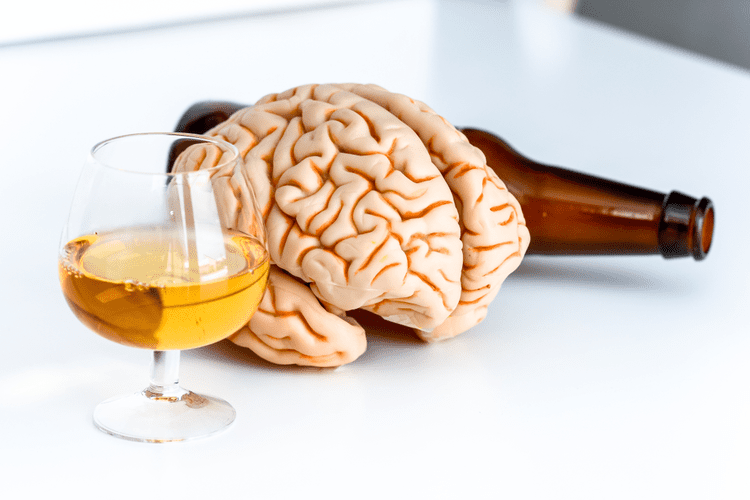
Therefore, it’s important to understand your insurance coverage before beginning treatment. Quitting alcohol is the first step, along with topical creams, prioritizing sun protection, and using mild soaps to clean your face gently. That said, you must quit your alcohol misuse to prevent an alcoholic nose from returning. Regardless of the cause, a persistent purple nose alcohol discoloration warrants immediate medical evaluation to rule out serious underlying health conditions. Red wine, beer, and spirits containing histamines or sulfites tend to trigger stronger reactions.


